I was stunned to see that it’s been more than a year since I wrote a post on this site. Well, family issues did play a role in this lack of activity, as did a nagging awareness that social media is responsible for a catastrophic contribution towards global carbon emissions through its profligate use of electricity generated by fossil fuels. I am not a doom-and-gloomer when it comes to the many productive applications of social media – I am certainly an avid consumer myself, albeit (I hope) a discerning one – but I do try to rein in my use of it, and limit how many posts, stories and updates I contribute on various platforms.
(It’s also not escaped my notice, of course, that WordPress promotes the use of AI technology for the creation of images etc…Down with this sort of thing! as they say on Craggy Island!)
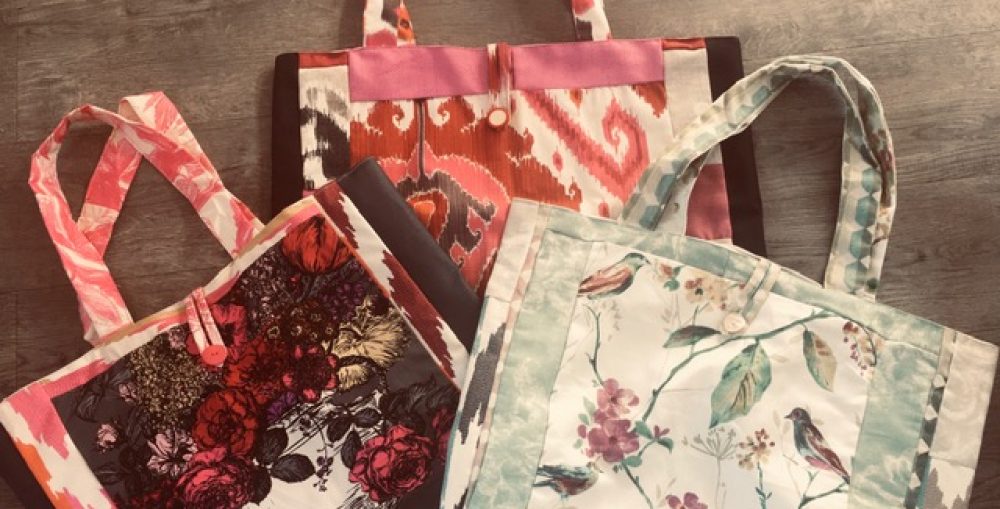
However, the chief reason for a lack of webpage activity has been the fact that, perhaps more than at any other time in my life, I have been BUSY in ways I could not have foreseen this time last year. I continue to joyfully manage the Sew Good Namibia project on a voluntary basis, responsible for marketing and logistics while our four craftswomen create their wonderful designs (currently sold at 12 outlets around the country) to support their families. I’m also still writing the short stories that are regularly published in online journals and magazines – a second collection of which will soon appear in print (as The Limbo Circus) through the marvelous Modjaji Books.
However the principal reason why my days are filled with bustle and hustle is the incredible growth of the Promising Pages Pilot Initiative (PPPI) that was launched early last year. I have been overwhelmed by the success of the pilot phase since we kicked off with a few requests for book donations and suggestions for sites where we could put up suitable receptacles where ordinary Namibians could ‘Take a book. Read a book. Return a book’. As always, identifying dynamic individuals who understand a hypothetical idea and want to see it flourish as a practical enterprise entails expending a GREAT deal of time and effort with others who turn out to be time-wasters in the end (regrettable, but true). And, as I discovered with ‘Sew Good Namibia‘, it’s critical to let a project develop organically in its own time, and in its own way, rather than imposing inflexible and unrealistic expectations on an untried concept.
In addition, each and every one of the thousands of books, pamphlets, journals, study guides, and magazines that have been given to the PPPI to date have to be assessed for suitability (older, pre-Independence materials, especially, will not pass muster in these more enlightened times and have been donated to the Katutura Community Art Centre for use in installations and other artworks). Then these have to be categorised according to language, age of the readership, and genre before being packed up ready for distribution.
At the time of writing we now have little library installations in disadvantaged communities in Okahandja and Hakahana, with others scheduled soon for the Physically Active Youth and Mammadu Trust premises in Katutura, Windhoek. The University of Namibia Main Campus also has two large bookshelves in place and regularly replenished with a wide range of fiction, textbooks, non-fiction and Africana. It was amazing to see how many faculty and students turned up for the official launch in March, racing to select some reading matter to borrow the minute the ribbon was cut on the shelving. More little libraries will be established at Groot Aub and Rehoboth, to the south of Windhoek, in the near future and plans for further expansion are in the works.
All this requires a great deal of time, effort, admin, petrol and schlepping, 7 days a week, which I am thrilled to have the hours and energy to still contribute right now. I’ve also expanded my circle of friends as generous donors and enthusiastic community members embrace the PPPI idea and help it to expand. An additional gift.

BUT. Namibia has a huge cohort of keen, articulate, educated and media-savvy young people currently looking for work. Our youth unemployment rate is almost 3 times the global average. It is unsustainable for PPPI to continue to be administered and run by one, unpaid volunteer yet this is how so many grassroots projects continue to exist in Namibia while expensive, pie-in-the-sky propositions to uplift citizens receive extensive taxpayer funding only to sink without a trace.
If the government and international funding bodies are serious about producing future generations conversant in a language that’s not the mother tongue for the vast majority of them, then movements – such as the PPPI – that increase access to English-language materials need to be formalised and then supported by appropriate institutions and development partners. Furthermore, local authors and creatives need financial support to produce books that reflect the lives of our young citizens, published in our indigenous languages for free distribution around the country.
The search is on for someone, or a group of someones, who can take the PPPI and turn it into a sustainable model for a nationwide network of fixed installations and mobile libraries while being paid a decent salary to do so. Let’s hope that by the time I check in again, this will have become a reality.

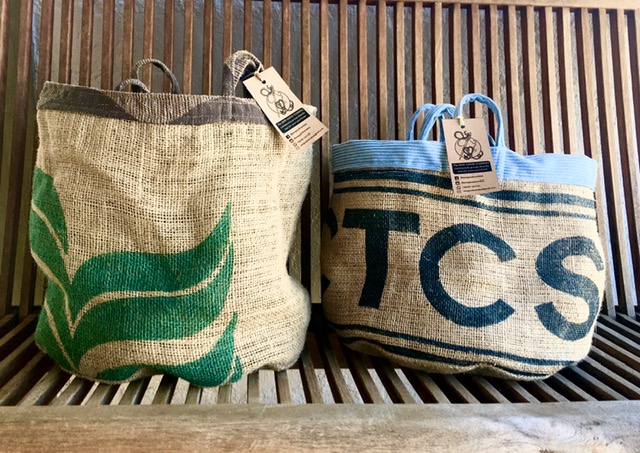
 THE STORY OF 'GOOD FOR NAMIBIA!'