‘Sew Good’ has its first showcase

Julia Gomachas prepares the display of ‘Sew Good’ products for the IWAN event

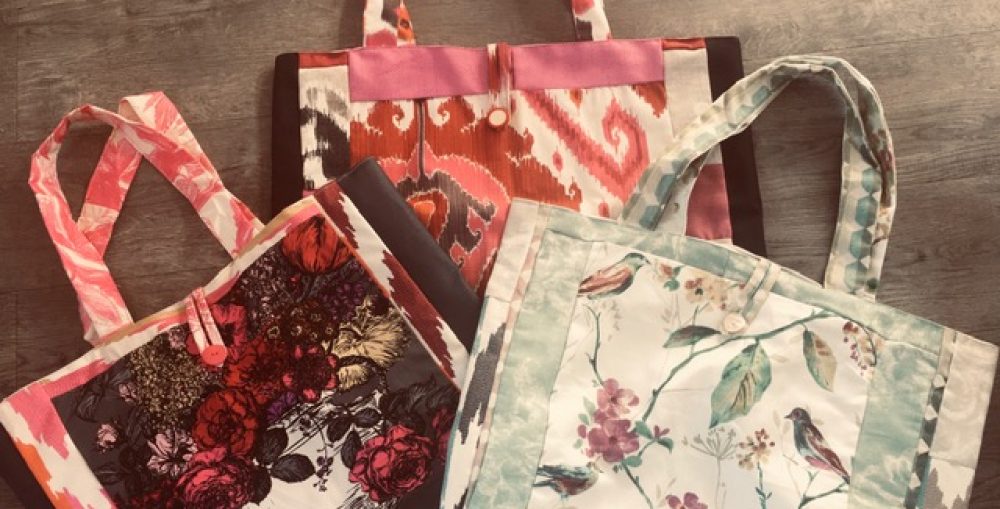
Yesterday was the first time that ‘Sew Good’ has had an opportunity to showcase the items made by the three women now upcycling donated fabric into household items. The International Women’s Association Namibia (http://iwan.com.na/) very kindly invited us to exhibit examples of the project’s current products at their coffee morning in Windhoek and a number of shopping bags (to replace single-use non-biodegradable plastic carrier bags) and sets of net sacks (for purchases of loose fruit and vegetables) were bought. We also took some orders, engaged in valuable networking, and received some great ideas for future lines.

It’s interesting to see that while we have received a great deal of interest in our Facebook page, this hasn’t really translated into sales yet. It seems to be the case that when people can see the quality of the goods made by Julia, Amory and Margrieta in person, and talk to someone directly involved – that’s when the human connection is made and people really want to support the group.

With that in mind, we will now be focusing on making items with a ‘birdy’ theme since the Namibia Bird Club (https://www.namibiabirdclub.org/) has generously allowed us space on their stall at the forthcoming craft market at The Shed, outside Windhoek (19th and 20th October, https://www.facebook.com/TheShed9000).

Small steps and the bigger picture

The first ‘Good for Namibia’ project – the ‘Sew Good’ women’s group, embodies the grassroots approach in three ways. Firstly, it addresses the need for the most disadvantaged members of our community – often those most affected by environmental degradation, climate change, and other linked issues – to increase their incomes; learn useful entrepreneurial skills; and plan for the future through a sustainable business model.Secondly, the items created by the group (and by others I hope to assist in the future) are made in Namibia from locally available recycled materials. Therefore the profits remain within the communities that make the products and the transportation costs (actual, and in terms of the negative impacts of fossil fuel-use and pollution) are kept to a minimum. Lastly, of course, by upcycling waste the projects will contribute towards reducing pollution in our country and beyond.

This waste – primarily plastic bottles and fast-food containers – was photographed in Windhoek last week. It has collected in a rainwater channel and will block the drainage eventually, when – as we all fervently wish – it rains in a few weeks. The flooding that will then ensue as the flow backs up will inundate housing upstream, often in areas where newer, low cost housing has been constructed and informal settlements proliferate.

Local activism plays a role in advancing the goals of the global environmental movement too and so it is gratifying to see that Windhoek will host its first organised march against climate change at the end of this week. https://www.facebook.com/pages/category/Environmental-Conservation-Organization/Friday-For-Future-Windhoek-102120687805024/

‘Sew Good’ expands its product lines

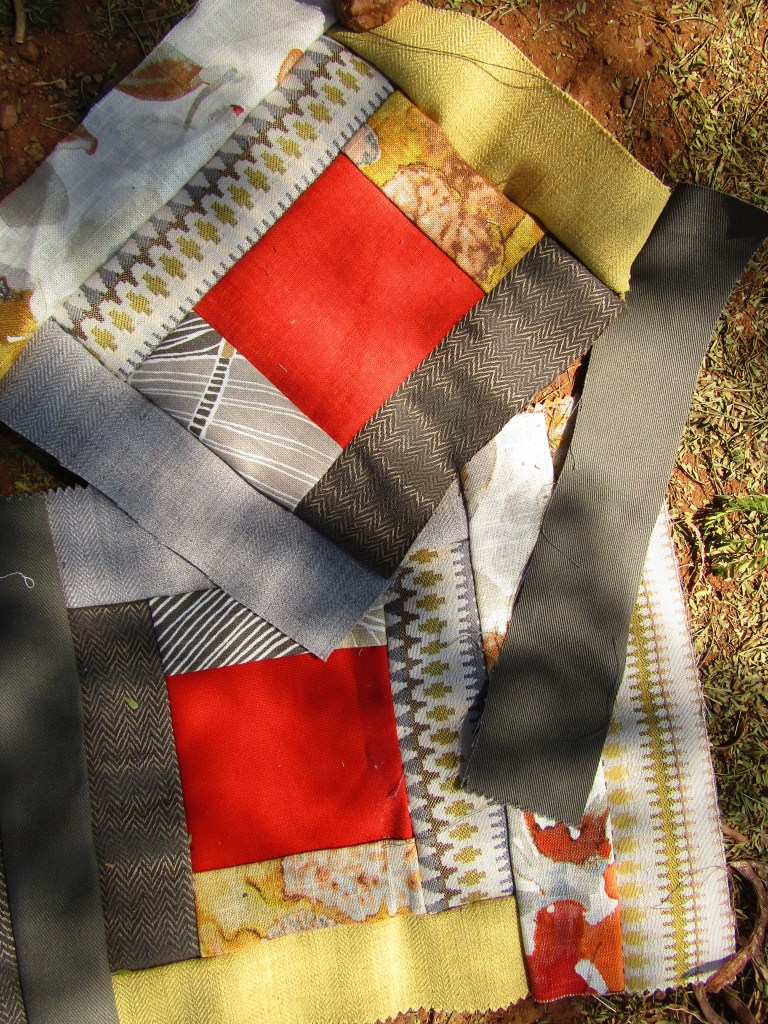
The ‘Sew Good’ project has a new member, who will be focusing on hand-sewing patchwork blocks in order to expand the range of products the group can offer. Ms Amory Tjipepa works in the security control room of an estate outside Windhoek and has plenty of time on her hands to make up these items from strips of contrasting furnishing fabric while she is on duty. Clients will be able to then have the finished squares made into cushions, quilts and pet beds.