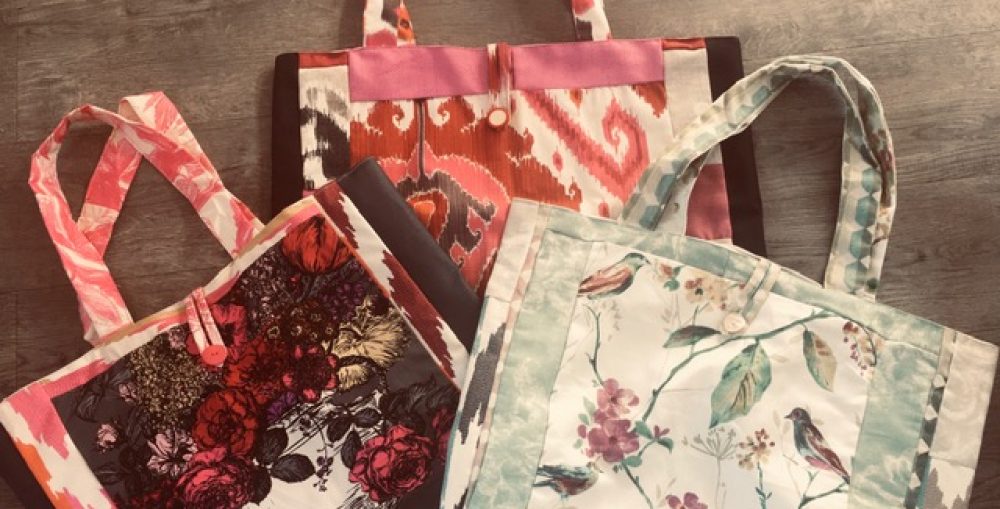
In the middle of 2023, it suddenly occurred to me that ‘Sew Good Namibia‘ had evolved into an established and thriving business, almost without me being aware of the fact. I say ‘almost’ because handling the logistical, promotional, and managerial aspects – essentially my wheelhouse – is now pretty much a full-time job some weeks, so although I had gradually become aware that these tasks were taking up more and more of my time, the financial side of things had just ticked along largely unnoticed!
(2026 update: there are a number of steps that emerging small-scale enterprises can follow in order to register their operations – either as a business or a community-based income-generating project. All of these require registration (which costs a lot of money); a bank account (with all this entails in terms of fees); and timely financial reporting to the regulatory bodies. Amory, Julia and I had discussed the pros and cons of formalising Sew Good Namibia through one of these channels fairly early on but the consensus was that the financial repercussions outweighed the advantages. We therefore receive nearly all of our payments either in cash, when I visit shops to re-stock, or as EFT/eWallet transfers directly to the craftswomen. They then complete a reconciliation slip each month showing their individual sales, and sign a declaration stating that they understand that reporting their income to the tax authorities is their own responsibility.)
The penny dropped when a shop at the coast approached us to make a range of products specifically for their clientele of crafters, knitters and people who crochet. Up until this year, part of my role has entailed sending out many messages each month to potential stockists to find out if they would like showcase our products, a rather thankless task since many never even opened my DMs! Not only did the Wool Cafe in Swakopmund want to place a large order with us, they also insisted on paying the craftswomen UP FRONT for the custom-made items we sent. This was a first for us in Namibia – all our other local stockists took our goods on consignment, an arrangement that’s not without its drawbacks as in the past things have been stolen from outlets, or have been returned to us damaged or dirty, and it can be difficult to maintain accurate records of the stock held and sold at each store, too.
Not long afterwards, a second shop, the Rooi Dak Padstal run by Barkhan Dune Retreat also placed a large order with us, for which they were similarly prepared to pay immediately. This represents a significant change in our retail model since it is obviously preferable for the craftswomen to be paid for their hard work straight away, rather than waiting months (and sometimes even years!) to be rewarded for their labour.
We now have ten shops across Namibia that sell our upcycled, ecofriendly range. Over 2023, two had sadly fallen away but these were quickly replaced and augmented by others and thus the roster increased in size. Some outlets are very small and only shift a few items occasionally but it’s important that we maintain a presence wherever people looking for ‘local-is-lekker’ gifts, especially, might see our products and decide to make a ‘Proudly Namibian’ purchase.
Fairly early on in the development of the sewing initiative, the two chief producers and I took a decision to keep Sew Good Namibia operations at a micro-enterprise scale and dispense with as many administrative burdens as possible by remaining an informal co-operative (see above). We had all seen how, when projects grow too fast and too quickly, problems with cash flow, personnel and quality control come to take up far too much time and effort. Nevertheless, during 2023 we decided to hand off the exclusive production of our Budget Book Bags to a new member-in-training – Bianca Beukes – and are in negotiations with a skilled seamstress in Walvis Bay – Loide Kambida – for her to make a new product line of stuffed toys.

All in all, we can look back on the year past (as well as at our income statements!) and feel a great deal of pride in how far we have come. We have ceased making fiddly, labour-intensive items, such as pencil cases, which were never a great success, and now just focus on a few things – chiefly bags – that we can make well, and at speed.
We are also now able to make regular donations of fabric and wallpaper samples we cannot use to schools and creatives (such as fashion students and people who make crafts for a living), which is a critical part of our ‘nothing goes to waste’ remit.
Onwards and upwards into 2024, as they say here!

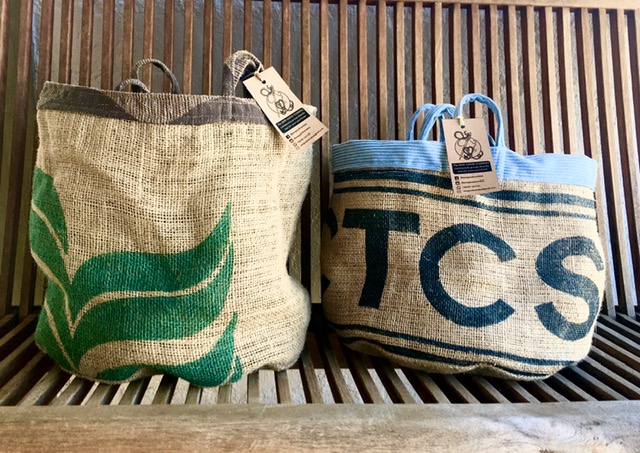


 THE STORY OF 'GOOD FOR NAMIBIA!'